Thermal Beats Electrical 14-to-1: Here's Why I Switched
After 10 years building MW-scale battery and solar systems, I made a career switch this year.
I'm now focused on decarbonizing industrial process heat—thermal energy instead of electrical.
The learning curve has been steep (which I am loving!). But two things completely surprised me:
The scale is radically different.
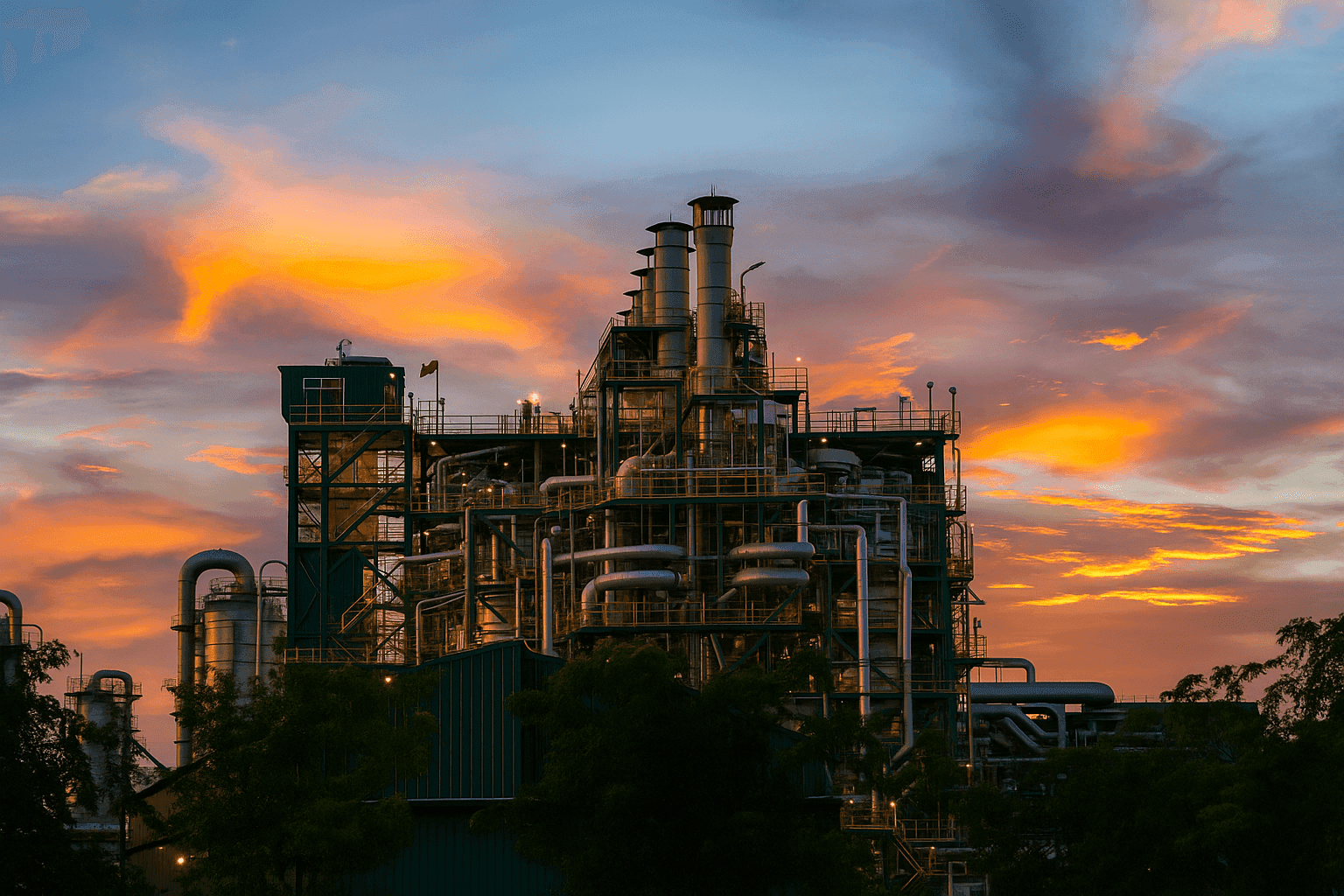
That ethanol plant with 5MW of electrical demand? The one I would have considered a great prospect for behind-the-meter batteries?
Its thermal load is 70MW.
14x bigger.
When you convert industrial thermal energy needs (natural gas in MMBTUs) to MW equivalents, electrical loads look tiny in comparison. This isn't an outlier—you see it across manufacturing, food processing, chemicals, you name it.
Thermal "batteries" don't work like lithium-ion batteries.
A 10MWh BESS has fixed capacity. You know what you're getting (degradation aside).
Thermal energy storage? The capacity fluctuates constantly based on ambient temperature and your input/output setpoints. It's a fundamentally different engineering challenge.
The implication: if we're serious about industrial decarbonization, we need to be talking a lot more about thermal energy systems; focusing on electrification is not enough. The opportunity—and the complexity—is massive.
For those of you already in this space: what policies have you seen that help technologies compete with CHEAP natural gas?
Join the conversation
This article was originally shared by our founder on LinkedIn